
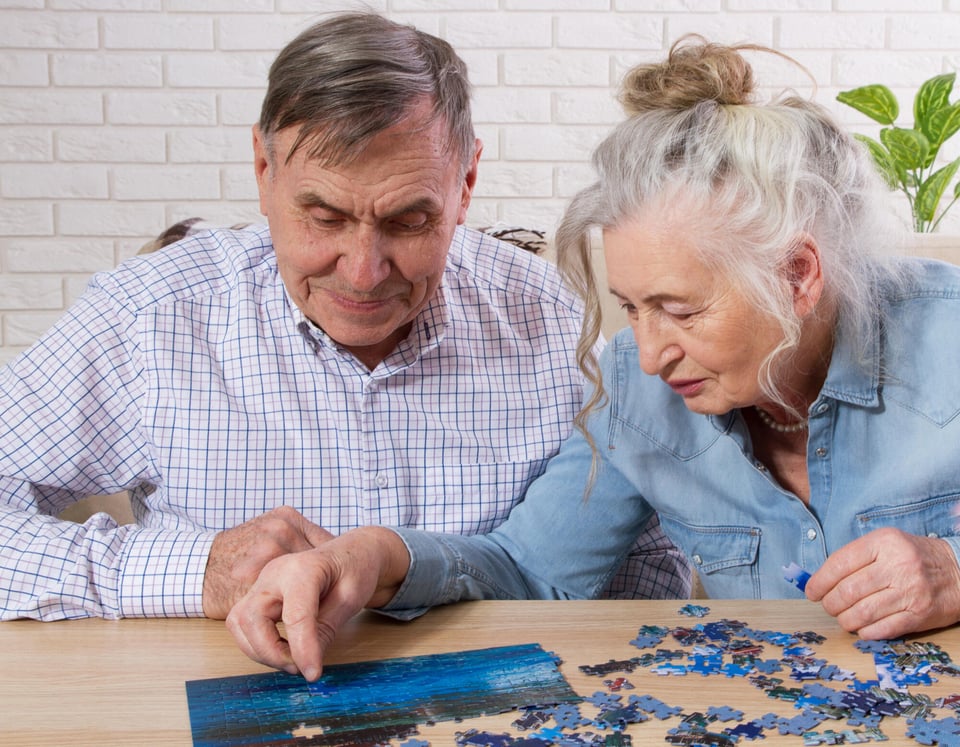
The best thing to do for memory improvement is learning something new and challenging. Other brain exercises for dementia are music and singing therapy, reminscence and storytelling activities, puzzles and sorting games, and guided physical and brain movement activities.
According to Alzheimer's Disease International, every 3 seconds, someone in the world develops dementia. They also say that the numbers will reach 78 million in 2030 and 139 million in 2050. These high numbers mean that you or a loved one in Latrobe, PA, may be diagnosed with dementia, and as the symptoms get worse, it can be frightening.
However, with brain exercises for dementia, the symptoms can be manageable, and you can even slow down the disease's progression.
What Is the Number One Brain Exercise for Memory Improvement?
The number one brain exercise for memory improvement is learning something new and challenging. This is because when the brain's forced to build new connections, it becomes more resilient and adaptable.
When you do active learning, this engages multiple areas of your brain at once. So this is much more effective than passive activities.
What matters the most is consistency. If you do mentally challenging activities regularly, this can help strengthen:
- Memory
- Attention
- Problem-solving skills
What Are the Best Brain Exercises for Dementia Patients?
There are various cognitive activities for seniors that you or your loved one can do. But these are the most effective ones you should try.
Music and Singing Therapy
A study by Zaatar et al. shows that music training has positive effects on cognitive abilities. Also, music therapy can trigger memories and improve mood, socialization, and quality of life in dementia patients.
So a key to aging brain health is music and singing therapy. Music is so powerful that it can activate multiple areas of the brain. So even if verbal communication is difficult, those with dementia can still recognize songs and sing along.
Group sing-alongs or one-on-one listening sessions can become comforting routines, and they can provide structure to the day. As a result, this can reduce agitation and improve cooperation with daily tasks.
Reminiscence and Storytelling Activities
According to the Alzheimer's Association, reminiscence may be beneficial to the well-being of those with dementia. The present may be daunting because they're not familiar with things or don't recognize people or surroundings. But bringing back the past can be comforting and reassuring.
These activities focus on discussing past experiences by using photos, familiar objects, or themed prompts. These can spark memories, as long-term ones are often accessible for longer than short-term ones. Ideas include:
- Looking through old photo albums
- Talking about past jobs
- Discussing favorite holidays
- Chatting about childhome homes
When storytelling, it doesn't have to be perfectly accurate either. The goal is engagement, not facts.
Puzzles and Sorting Games
Puzzles and sorting games can be great personal care enrichment. There's enough mental stimulation, but it doesn't overwhelm the brain.
The following can all help exercise attention, visual processing, and problem-solving skills:
- Doing large-piece jigsaw puzzles
- Matching games
- Sorting coins
- Organizing buttons by color
- Grouping cards by suit
To avoid frustration, make sure to choose tasks that match the person's ability level.
Guided Physical and Brain Movement Activities
As part of effective supportive routines for memory loss, you should include guided physical and brain movement activities.
Focusing on physical wellness is essential, as it can improve both physical and mental health. Wellness activities to consider include:
- Chair yoga
- Stretching routines
- Guided walking
- Simple dance movements
When those with dementia engage in physical activity, they also exercise the mind since they have to follow directions and copy movements. In addition, it can improve circulation, balance, and mood.
What's great is that these sessions don't have to be long or intense. In fact, short and consistent routines work best. They can also be done in group settings for social interaction.
Frequently Asked Questions (FAQs)
How To Keep Dementia Patients Engaged?
To keep someone with dementia engaged, one of our best dementia engagement tips is that you need to meet them where they are, mentally and emotionally. In general, the activities should be simple, meaningful, and adapted to their abilities.
The following can provide a strong sense of purpose and comfort:
- Familiar routines
- Music from their past
- Photo albums
- Light household tasks
- Crafts
- Guided walks
Keep in mind that engagement is best when it's sensory. Also, short, structured activities are better than long sessions.
Most importantly, emotional connection matters the most. You should do the activity with a calm tone, eye contact, and patience.
How To Help Dementia Get Better?
Unfortunately, dementia can't be cured. However, its symptoms can often be slowed and better managed.
The key thing is a healthy lifestyle that includes:
- Balanced nutrition
- Regular physical activity
- Good sleep
- Social interaction
- Mental stimulation
- Proper medical care
Those with dementia also need a stable and familiar environment, as well as stress reduction.
What Brings on Dementia Faster?
Several things can bring on dementia faster. One major factor is chronic conditions, such as:
- High blood pressure
- Diabetes
- Obesity
- Heart disease
Other factors that can speed up the onset or progress of dementia are:
- Social isolation
- Depression
- Lack of mental stimulation
- Poor sleep
- Bad lifestyle choices (e.g., smoking, excessive alcohol use, poor diet, physical inactivity)
Some additional risk factors that are often overlooked are repeated head injuries, unmanaged stress, and untreated hearing loss.
If you address the things above early by adopting healthier habits and getting medical care, then you can protect brain function and potentially slow down dementia.
Do These Brain Exercises for Dementia
Brain exercises for dementia may not prevent or cure the disease. However, they can make a noticeable difference in managing symptoms or slowing their progress.
Plus, a lot of our suggestions for brain exercises can keep seniors engaged. And because the suggestions are fun, it won't feel like they're doing exercises. Instead, they'll be occupied and living a more fulfilling life with purpose.
To tour a senior living community in Latrobe, PA, get in touch with us today. The apartments at Barnes Place Personal Care have individual indoor mailboxes for convenience and security.